

Spain just posted its hottest summer since records began in 1961 — and off Mallorca, the Mediterranean came close to a heat record of its own. While Italy put 27 cities under red alert in early August, the destinations that used to absorb summer’s overflow have started closing the door instead: Venice now charges a day-pass fee for 60 days of peak season, Barcelona has doubled its accommodation tax, and Athens caps the Acropolis at 20,000 visitors a day.
Heat pushing travelers north, caps pushing them out of the usual hotspots — and something else moving alongside both. Industry tracking points to demand for regenerative travel experiences rising sharply since 2023. But “regenerative” has become one of travel’s most recycled words, stuck onto properties that have done little more than swap plastic straws for bamboo ones. I use a narrower bar: a verifiable, third-party certification; a named restoration project with a measurable outcome; an energy system that’s independently audited — not a line from a press release. This season, five properties across five destinations cleared it. These are the ones I’m pointing my own clients toward.
SCOTTISH HIGHLANDS, SCOTLAND
At Alladale Wilderness Reserve, 23,000 acres of the Sutherland Highlands have been under restoration since 2003 — more than a million native trees planted, and 550 acres of peatland brought back with over 4,000 hand-built micro dams, a project run in partnership with the Royal Zoological Society of Scotland that also breeds the Scottish wildcat on-site. Both are completed, numbered facts. Beaver reintroduction, often mentioned in the same breath, isn’t: it’s on the reserve’s long-term plan, not on the ground yet, and I’d push back on anyone who tells you otherwise. Twenty minutes south, The Torridon runs its 58-acre estate on a biomass plant fed by locally harvested timber and holds EarthCheck Benchmarked Bronze status, one of hospitality’s more rigorously audited certifications. Its carbon-neutral status, by the hotel’s own account, is a goal it’s working toward — not a claim it’s making.
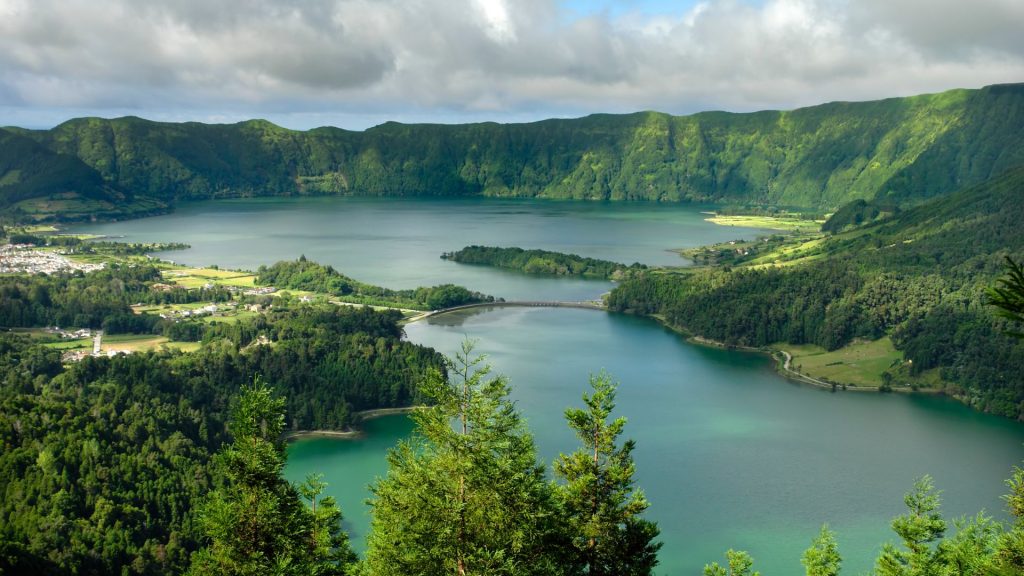
AZORES, PORTUGAL
Octant Furnas became this year the first hotel in the Azores — not, as some coverage has it, the first in all of Portugal — to earn Biosphere Sustainable certification, stacked on ISO 14001, Green Key and EMAS: four independently audited marks, unusually thorough for a single property. It heats its water with geothermal energy captured from the Quenturas hot spring instead of piping in fuel. The whale-watching here is billed as following stricter responsible-viewing protocols than most operators in the Atlantic — a claim I’ll note is self-described rather than third-party audited, unlike the hotel’s other credentials.
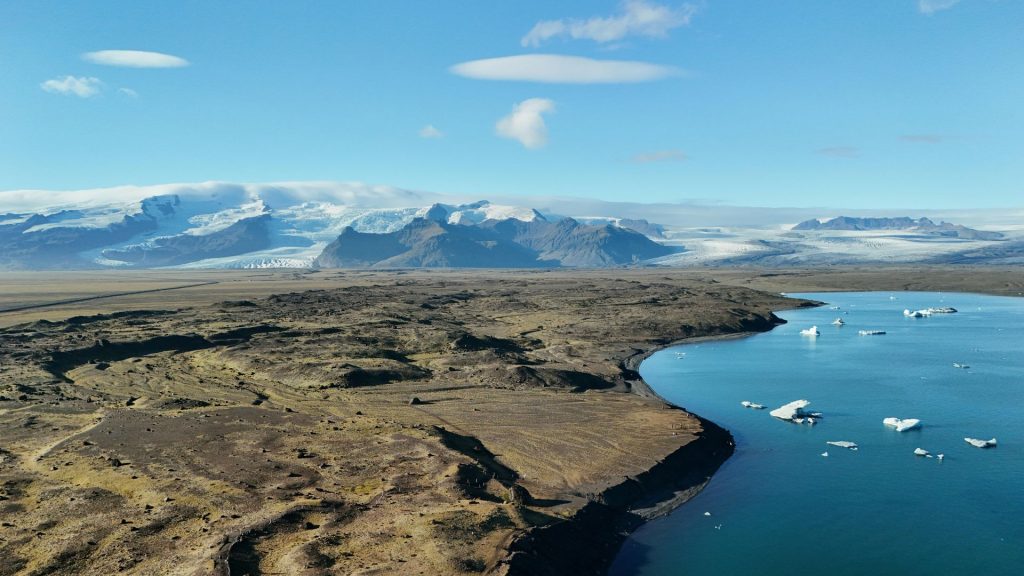
ICELAND
Hotel Húsafell draws all of its electricity and hot water from its own hydroelectric plants and geothermal springs — an operational fact, not a marketing claim, and one of the very few fully self-sufficient hotels in the country. Near Jökulsárlón, Fosshotel Glacier Lagoon carries Green Key certification as part of the first hotel group in Iceland to achieve full sustainability certification across its properties. I could not independently verify a Nordic Swan Ecolabel for this specific hotel, so I’ve left that claim out rather than repeat it unchecked.
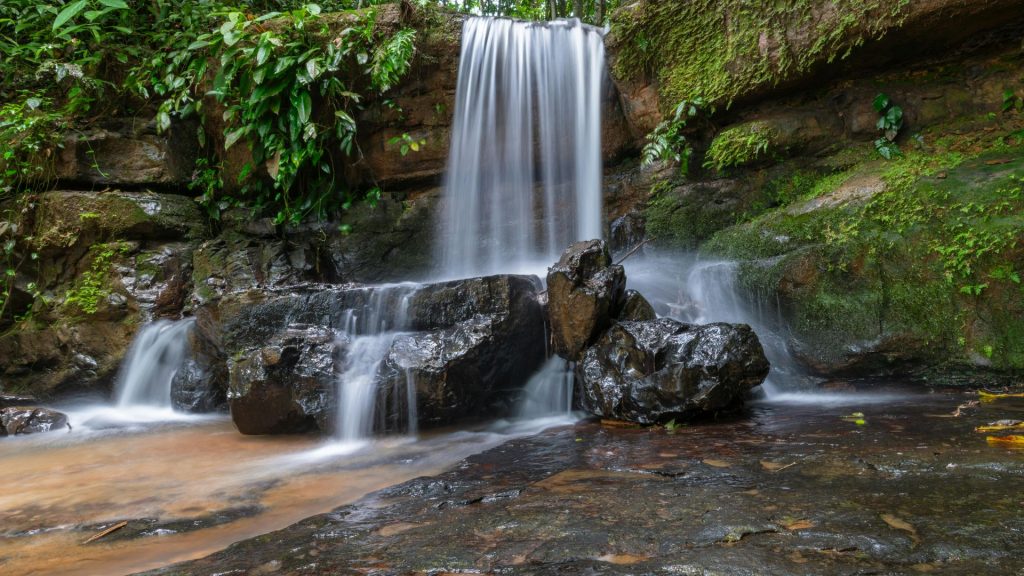
COSTA RICA
Rancho Margot is the strongest case on this list. It’s been certified carbon-neutral since 2012, and independently verified as carbon-negative under the PAS2050 and PAS2060 standards by Carbon Clear — a level of third-party scrutiny most “eco-lodges” never go near. It runs fully off-grid on hydroelectric power and bio-digesters, on land that was a deforested cattle ranch before it became rainforest habitat again. Near the Golfito coast, Esquinas Rainforest Lodge holds a three-leaf Certificate of Sustainable Tourism from Costa Rica’s own tourism board and has funded roughly 4,000 trees planted in the La Gamba biological corridor to offset its emissions — a concrete, countable outcome rather than an offset bought and forgotten.
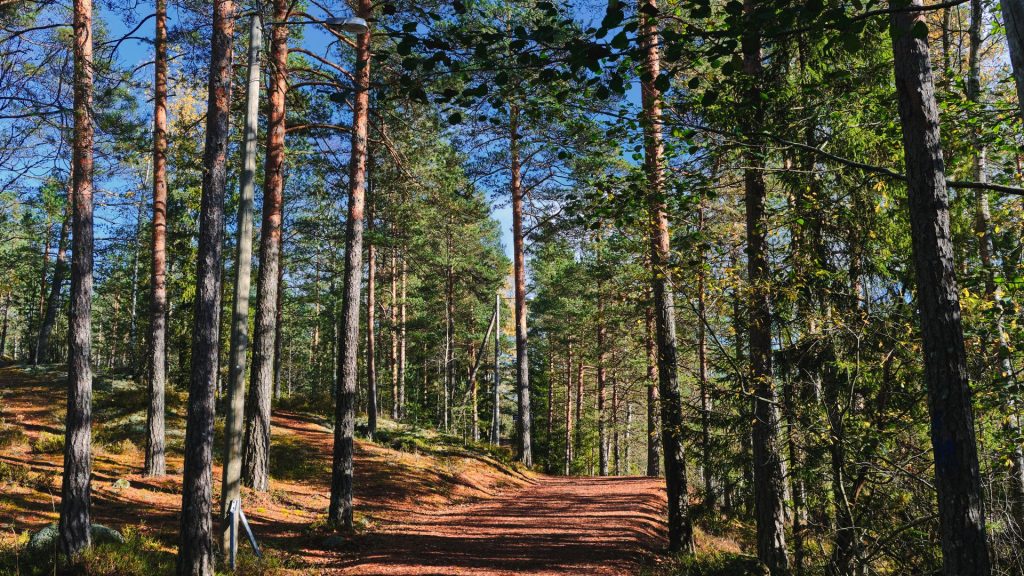
FINLAND
Haltia Lake Lodge, beside Nuuksio National Park, runs on 100% wind power inside a renovated building rather than a newly built one — a lower-impact choice most “sustainable” hotels skip because it’s harder to market. It holds Green Key certification and won Best Sustainable Hotel: Europe in 2022, and its guests can join actual restoration work inside the park: swamp dam-building, habitat surveys, not a spa treatment repackaged as eco-tourism.
Summer doesn’t have to mean choosing between heat and overtourism. These five passed a stricter test than most of what gets called regenerative this year — and they’re where I’d start.


