

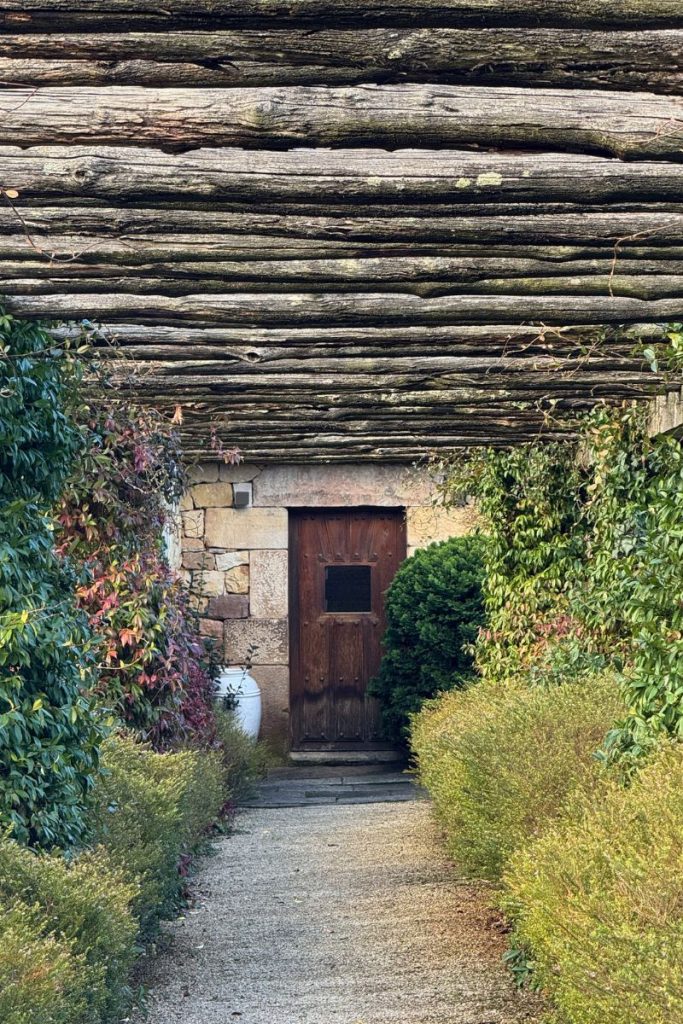
My GPS starts to glitch as the roads narrow and the landscape stops “going by” and turns into a wall of green. In Cantabria, that green isn’t postcard material, it’s humidity. It clings to the windshield and to your clothes when you step out. After a tight bend, I arrive. A stone wall wraps the property: not decorative, but boundary. The entrance, set under a rounded arch, does something subtle. It slows you down.
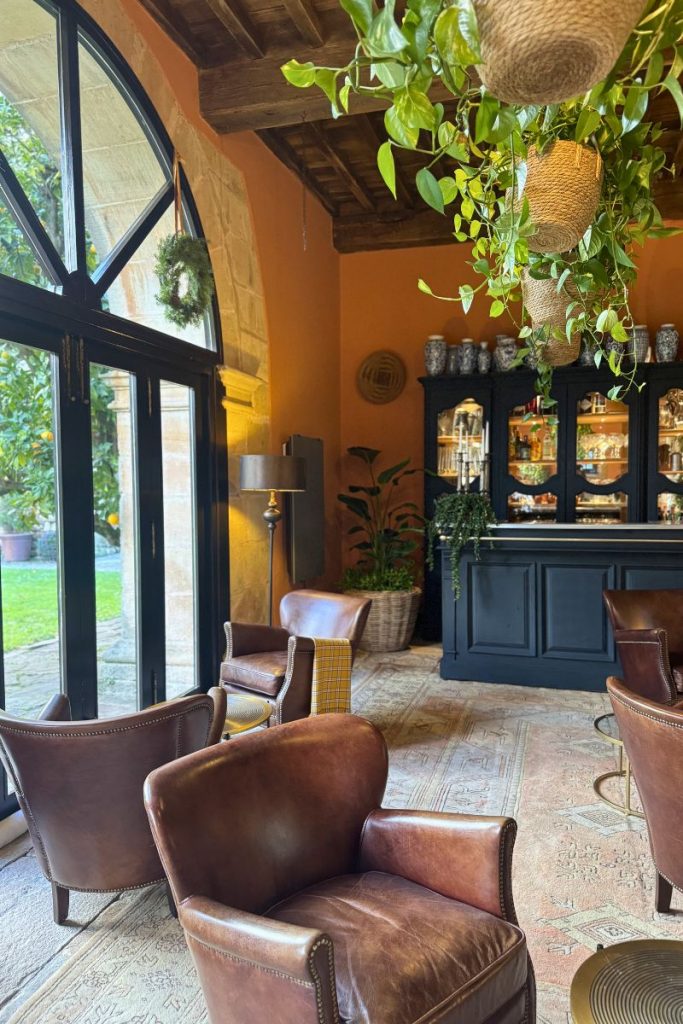
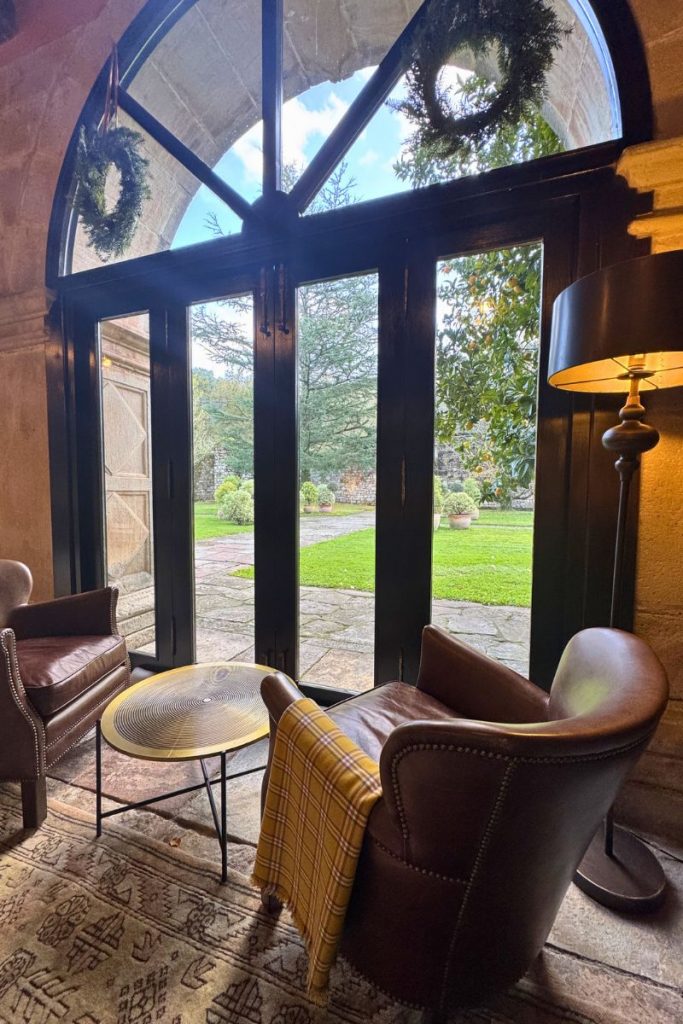
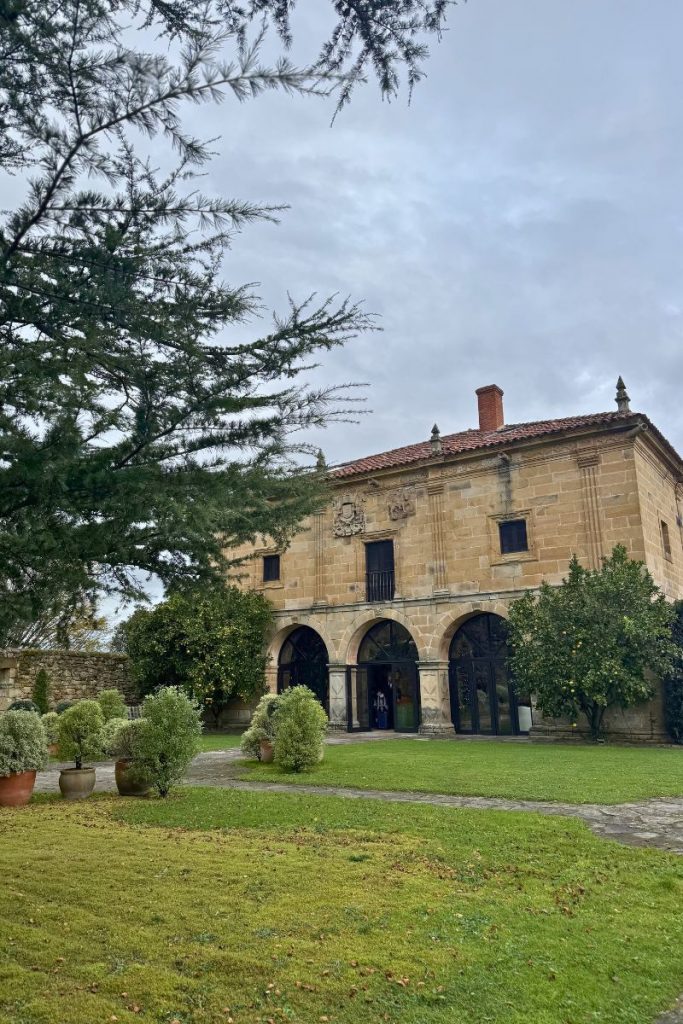
Inside, Palacio Helguera reveals itself at once. The 17th‑century façade has a kind of certainty that doesn’t ask to be explained. The courtyard, now enclosed with glass, catches northern light without theatrics. It isn’t a “feature.” It’s a cool, steady brightness that makes the stone read warmer—almost orange—than you expect.
Before I even reach the front desk, I hear the sound that sets the tone: wood burning. Not a staged flame, but the real thing—the uneven crackle that fills silence without breaking it. There’s clean smoke in the air, and then beeswax: that soft, warm scent of tended wood, of furniture that has seen generations pass by (or hopes to). You only get that mix when a place is lived in—and maintained.
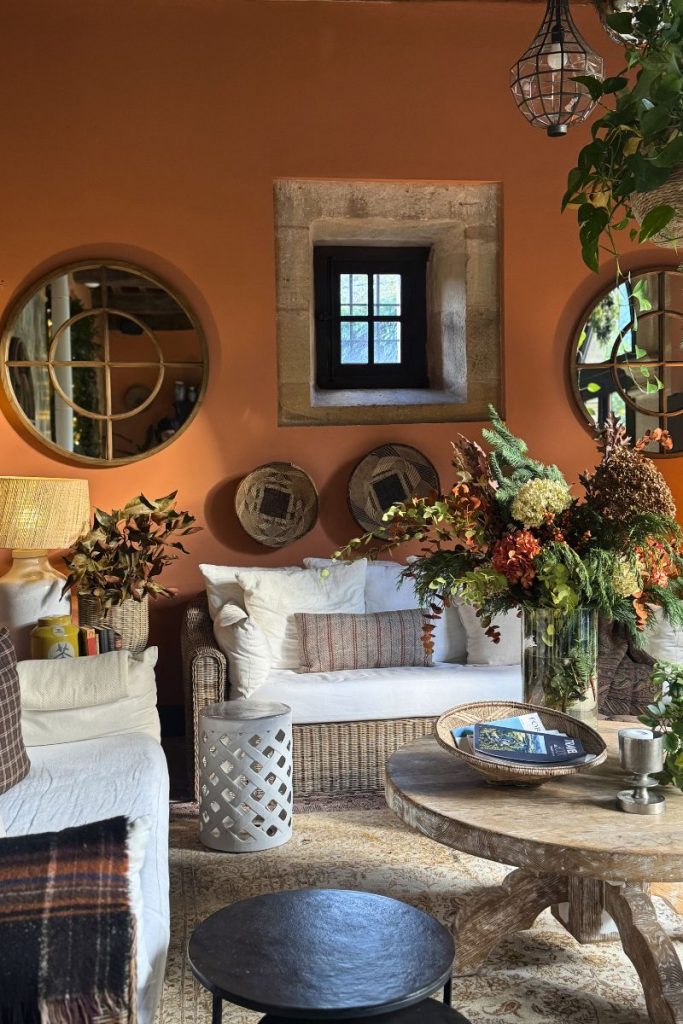
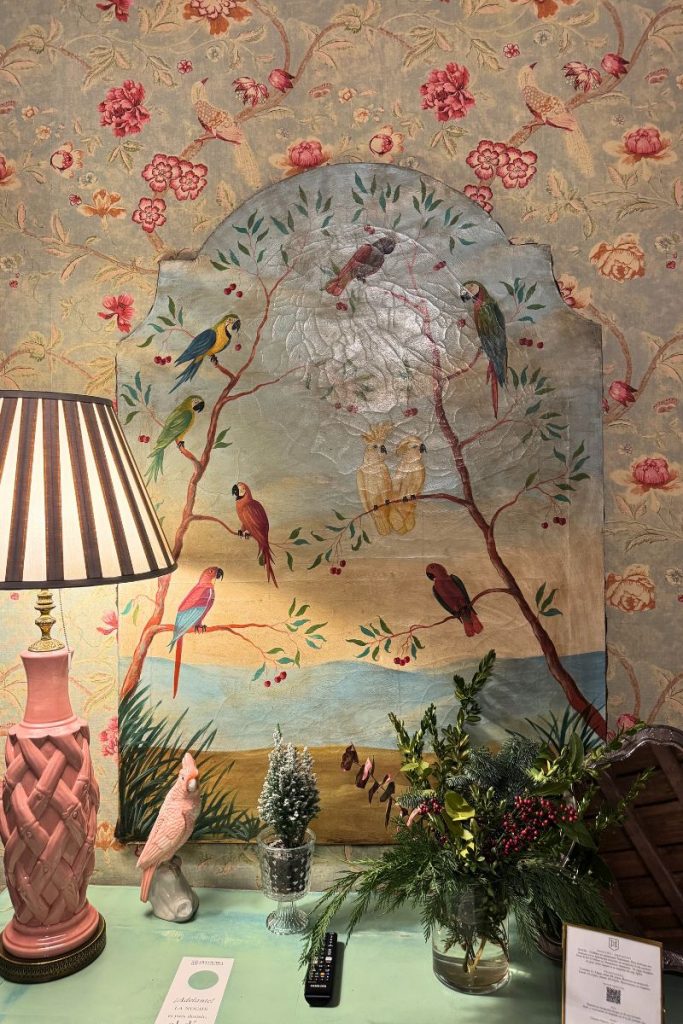
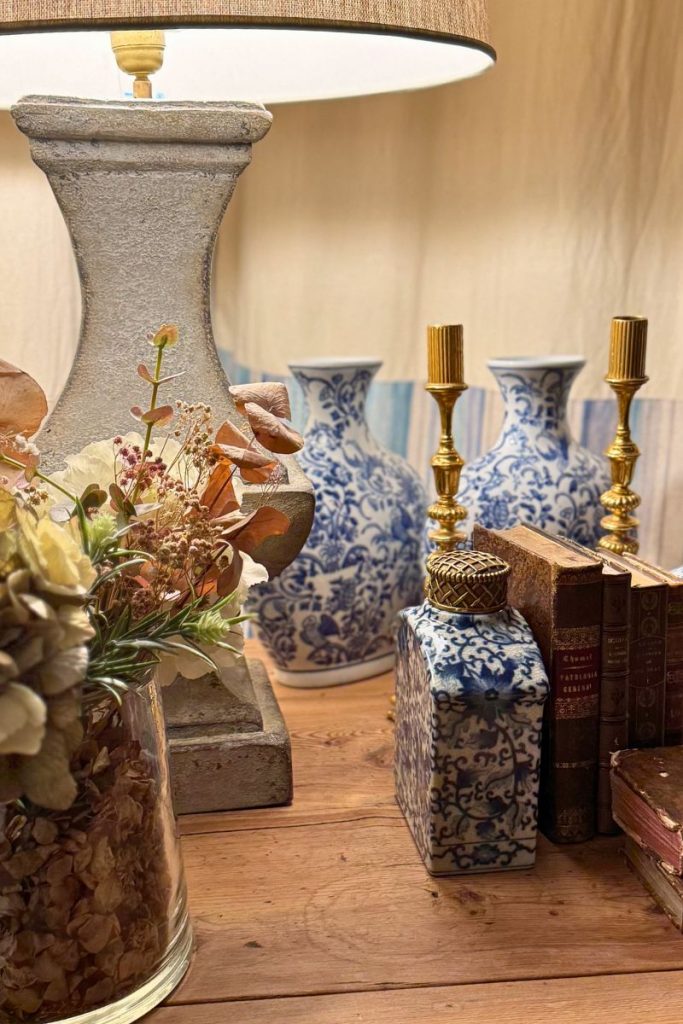
The main salon isn’t arranged like a museum. There are antiques, yes; silks, bronzes, and an aesthetic that’s clearly deliberate. But the room doesn’t demand reverence. It invites you to sit. Beauty isn’t displayed; it accompanies you. And that small shift changes everything: you’re not here to “see” a palace—you’re here to inhabit one for a while. In the end, the luxury isn’t shine. It’s time: the time held inside things that endure, and the time you finally allow yourself.
The family core
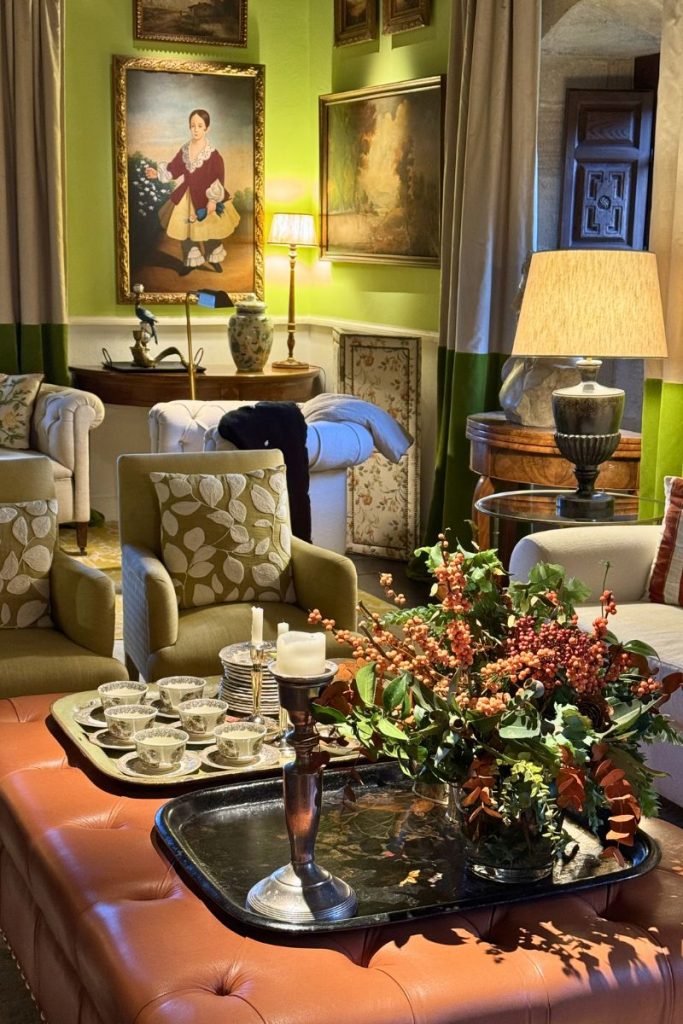
Malales Martínez Canut—an acclaimed interior designer—welcomes us at tea with the ease of someone who doesn’t need to perform hospitality: she’s at home, and it shows. Her connection to Helguera, she suggests, wasn’t purely aesthetic; it also had to do with family roots, with that feeling of recognizing a house before you can explain it. She speaks without hurry, looks you in the eye, and there’s none of that hotel choreography that keeps reminding you where you are.
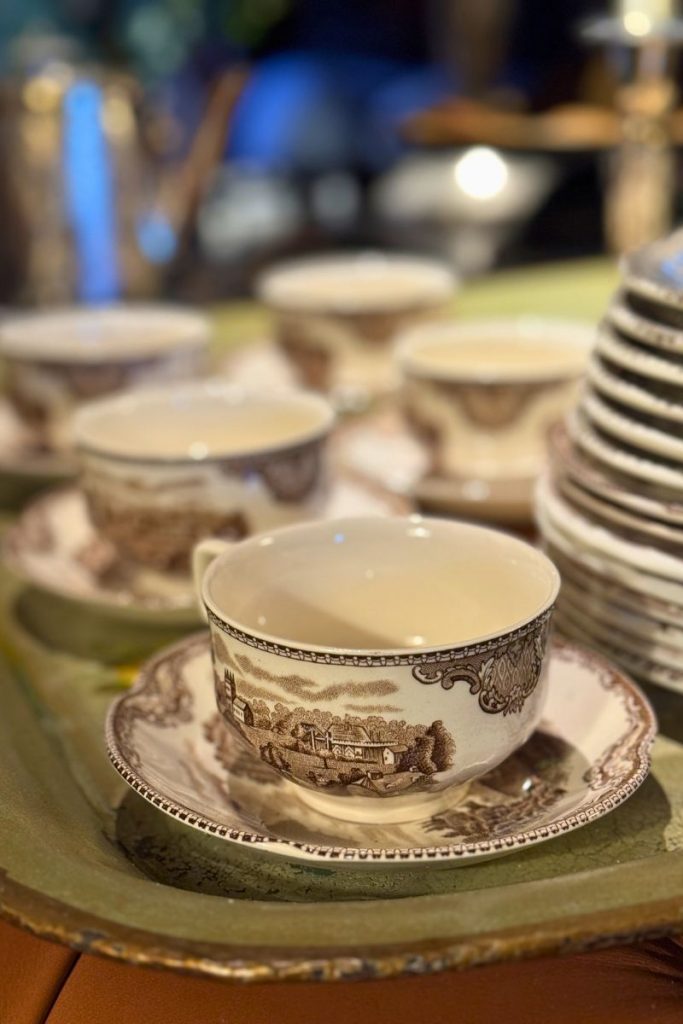
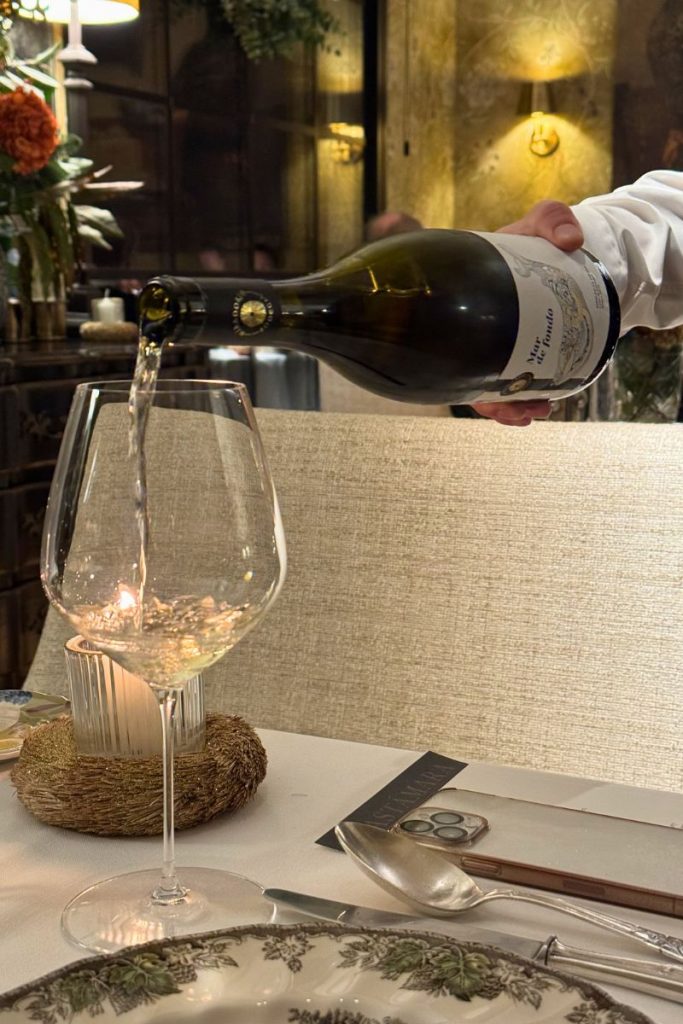
On the table: silver, candlelight, and then a turn I didn’t expect—sobrasada, mortadella and truffle sandwiches; a chocolate cake still giving off oven heat; handmade nougat. This isn’t “designed luxury.” It’s taste. And above all, it’s hospitality without strain.
Malales goes back to the beginning. She tells us she visited other palaces across the north—some already in ruins—and that when she saw this one, she fell for it. She took on the restoration as a family home project, not as a hotel.
The pivot came from something domestic, almost practical. Her children, she says, warned her not to count on them being there all the time—that a house like this couldn’t depend on permanent family presence. And they asked the question that ended up shaping the future of the place: if the palace was alive again, why not open it as a hotel?
Restoration as sustainability
There’s a kind of sustainability here that rarely gets named. Not the kind found in amenities, but the kind that takes decades: keeping a protected building standing without simplifying it. Restoring Helguera wasn’t about making it “pretty.” It was about preserving material, decisions, and craft. Accepting limits—permits, techniques, time—and still returning the building to use.
Against the logic of constant newness, Helguera argues for something else: extension. Heritage not as a static object, but as a livable place. That’s legacy—a house with a past that still serves a purpose, without losing its character.
We also talk about her fascination with French Enlightenment design and Rococo, and her way of bringing nature indoors: botanical motifs, organic forms, textures that don’t aim to dazzle but to hold an atmosphere. And when the palace’s heraldic origins enter the conversation, the history doesn’t feel like a fact sheet. It feels like continuity—and responsibility. The name of the Count of Santa Ana de las Torres—first Viceroy of Peru—is attached to the palace even though he didn’t live to see it finished. There’s no need to invoke “essences.” It’s simply the lineage that explains the coat of arms, the house’s story, and the original ambition behind it.
The light of Northern Spain filters through these rooms in a way that feels different, gliding over silks and bronzes as if trying to hold back the clock. If you’d like to step into this living antique gallery right now, you can skip ahead to the Helguera Visual Gallery ↓ or continue walking through these halls with me, word by word.
Rooms that let you time‑travel
At Helguera, sleep isn’t just “going up to your room.” It’s choosing a character. Malales has turned the eleven rooms into small narrative capsules, each with its own name and its own décor. These aren’t variations on a theme. It’s serious interior work: objects change, colors change, proportions change. And yet the 17th‑century stonework stays under every story like a steady floor.
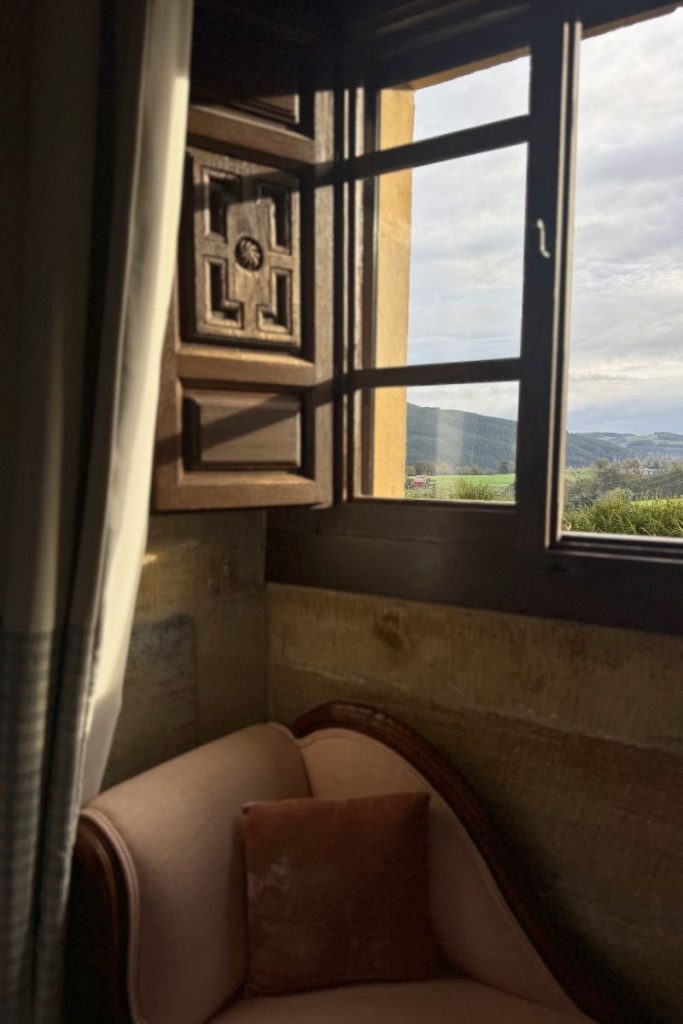
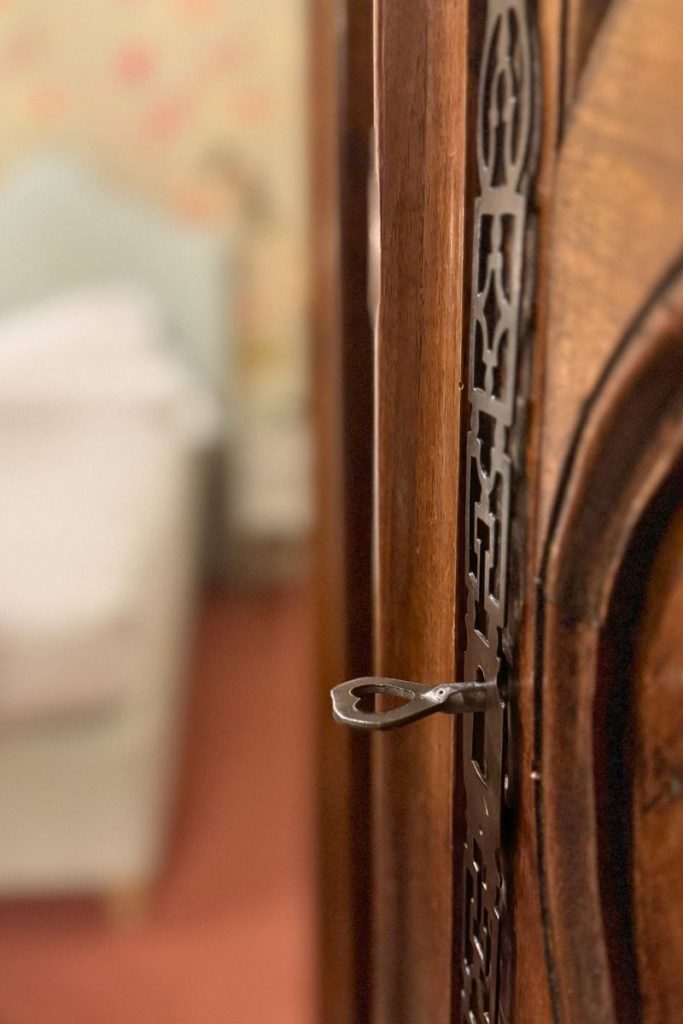
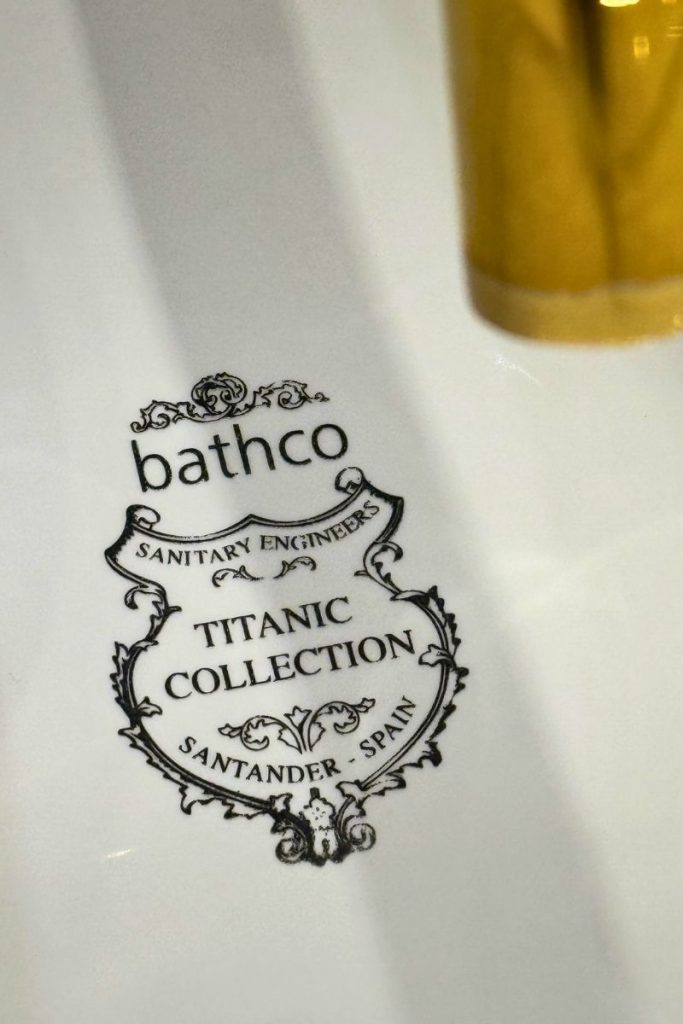
In some rooms the palace comes forward with an almost severe classicism—noble wood, a private entry, stone in command. In others, there’s a traveler’s wink: the antiques house as map, the found object carrying a whole geography with it. My room was Condesa de la Camorra: valley views, exotic altarpieces, and one technical detail you don’t forget—replicas of the Titanic sinks. And inside the closet, a tiny surprise that won me over: the key was heart‑shaped. That isn’t the kind of detail you manufacture for impact; you leave it there for someone to discover.
And the narrative doesn’t stop at décor. On each bedside table there’s a book in which Juan Mateo de Ros fictionalizes these characters’ lives. You open it for a few minutes and you’re no longer simply in a beautiful room—you’re inside a story. And that, in a hotel, isn’t common.
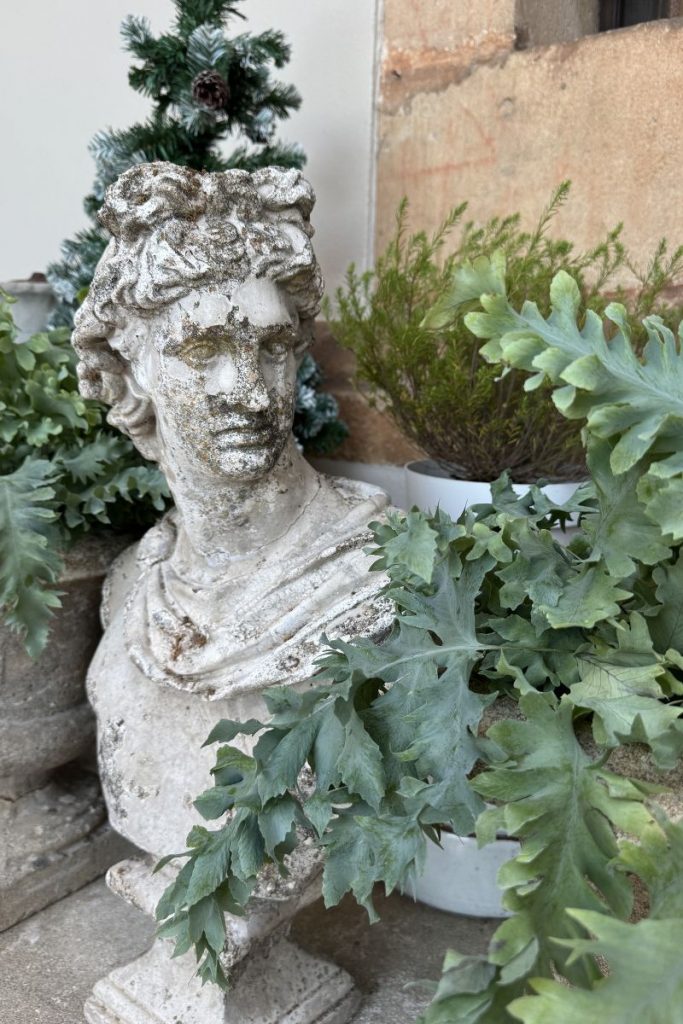
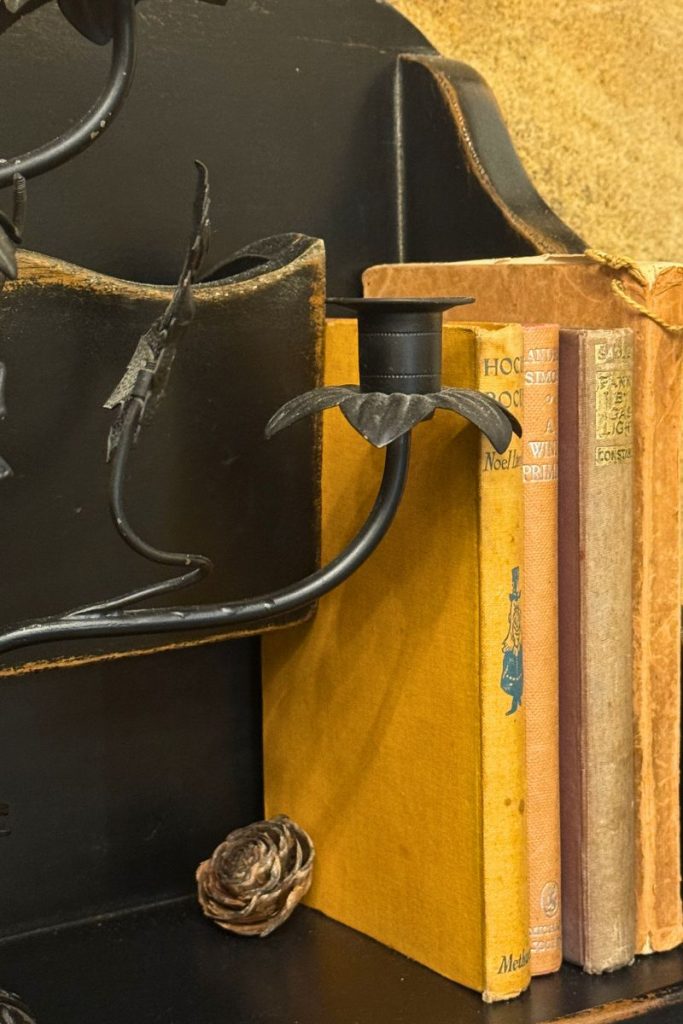
Helguera also functions as a living antiques house. Not in a decorative sense, but literally: silverware, glassware, armchairs—many pieces are for sale. There’s something honest about that. This isn’t about looking at “period objects.” It’s about living with them, and deciding whether you want one to come home with you.
Peru comes up in conversation, too—not as an exotic theme or a trend, but as a real link. And then it makes sense that Renzo Orbegoso leads the kitchen at Trastámara. What happens on the plate isn’t a declared “fusion.” It’s a reunion: one foot in the Cantabrian north, one foot in the Americas, as if the palace always had that double breath. I try crab ravioli with huancaína sauce and write it down for a simple reason: it was excellent—and it belonged.
Logbook: The value of heritage
- The Authentic Heritage Collection: The palace belongs to this exclusive network of properties in Spain where the building itself is a livable monument—an external stamp that validates the work of custody.
- A protected asset: Palacio de la Helguera is part of Cantabria’s historic heritage. Its rehabilitation has been a technical challenge that prioritized conserving the original stonework and the façade’s heraldry over standardized comfort.
- The art of buying the experience. The “Boutique Antique” concept means the inventory is alive. The silver cutlery, Murano glassware, or the Louis XV armchair you read in by the fire may all be for sale. The hotel is, in effect, an antiques house—one where you can live with a piece before deciding it should travel home with you.
Feeling at home inside a historic house
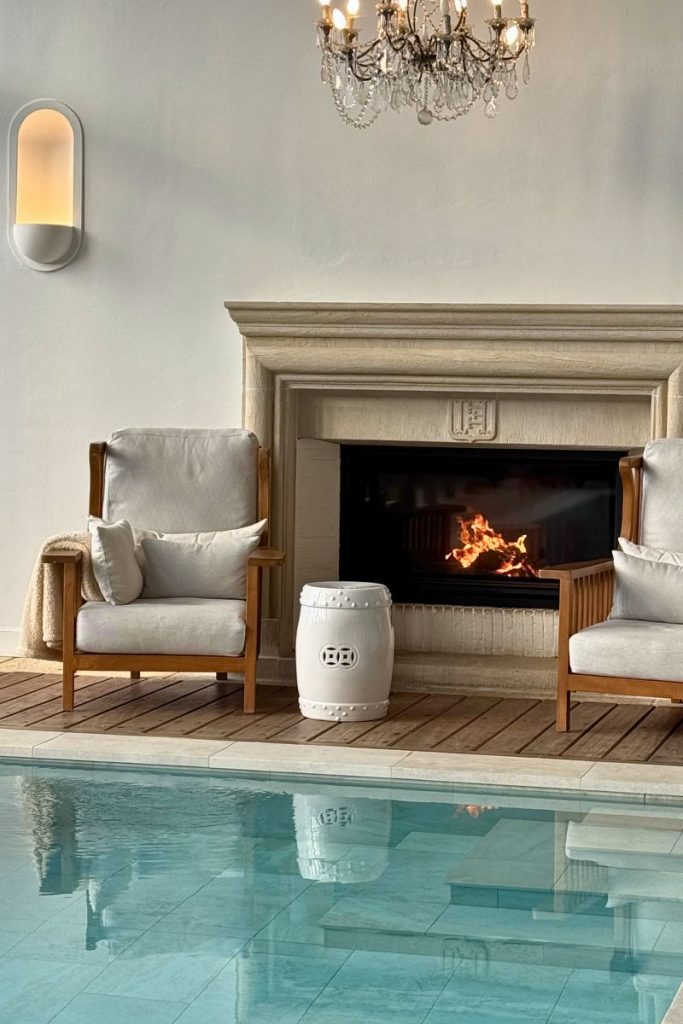
The water area slows the pace even further. Inside, there’s a pool framed by a large fireplace and two oversized armchairs facing the water. No music trying to create mood. Just water and fire—and it’s enough.
That’s where I meet Carmen, the gardener. We talk for a while as she tends the fire, the way someone looks after a house rather than a “service.” In the way she speaks about the owners, in the way she moves through the space, you feel it: the team’s affection and that invisible discipline of making a guest feel—truly—at home.
And it isn’t only her. From the front desk to the restaurant, there’s the same thread: the wellbeing Malales wants to infuse isn’t written in a manual—it’s internalized. There’s coordination without stiffness, a shared tone. They’re people from the surrounding area, and that sense of belonging is also sustainability: caring for the building, yes, but also for the territory that sustains it—local jobs, local knowledge, and hospitality that isn’t performed, but lived.
The point isn’t luxury as a label. It’s permission: to read in a robe, unhurried, after a swim, without anyone nudging you to “do” something.
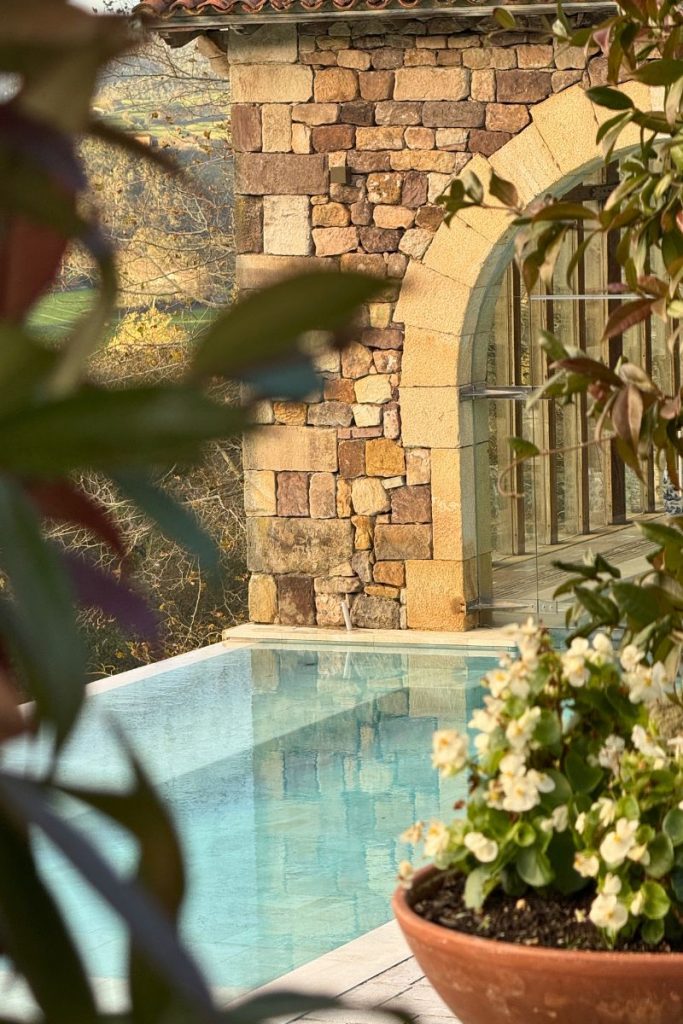
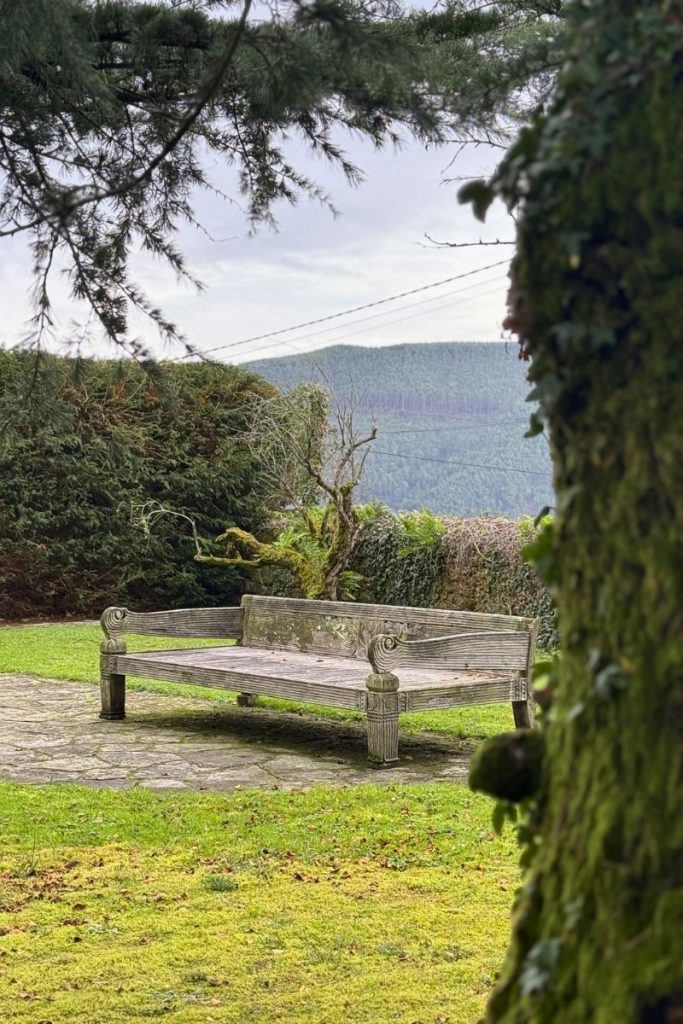
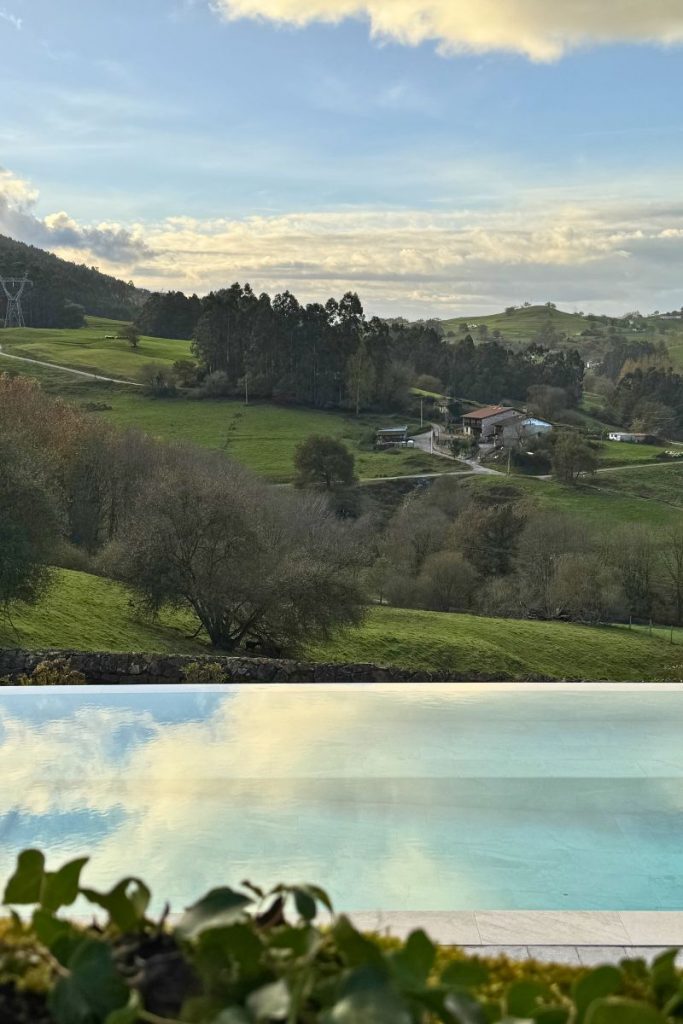
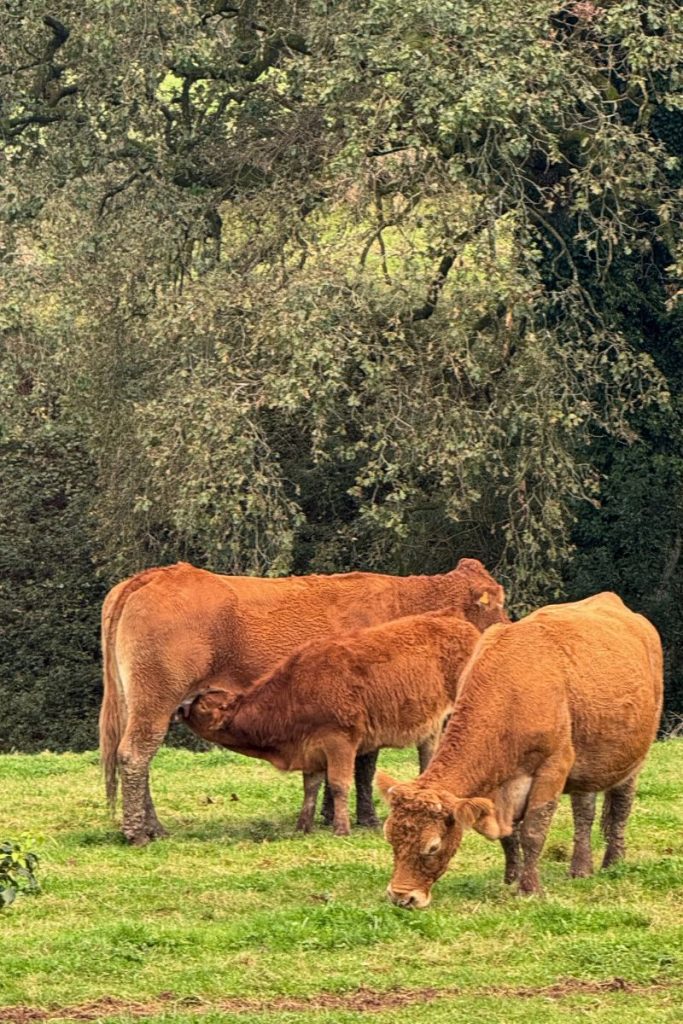
Then there’s the outdoor infinity pool. I go out while the mist still sits low. Steam rises into cold air and, for a moment, I hear only a distant cowbell. If you stay long enough, the body settles and the mind quiets. In front of you, cows graze on the continuous green of the Pasiego valleys.
Beyond the palace, the landscape holds the experience. Ten minutes away are the UNESCO‑listed caves of El Castillo and Las Monedas. Seeing 40,000‑year‑old paintings after a night of firelight and stone has a strange effect: it puts everything back in proportion. Puente Viesgo, with its spa culture, completes the area with a kind of quiet tradition—no spectacle, just time. Here, slow travel isn’t proclaimed. It’s done.
When I leave, I cross the stone wall again. What I take with me isn’t a checklist of “musts,” or a neat phrase about time. It’s simpler: you live more slowly here because the house sets the rhythm. This isn’t a place to “see.” It’s a place that insists—politely, but firmly—on being.
Covadonga Riesco
Editorial note: This feature was produced during an editorial stay in collaboration with LuX&BO. All opinions, analysis, and assessments are independent.


